How to Start a Neighborhood Tool-Sharing Group in a Rural Town
October 10, 2026 - Community


October 03, 2026 - Countryside
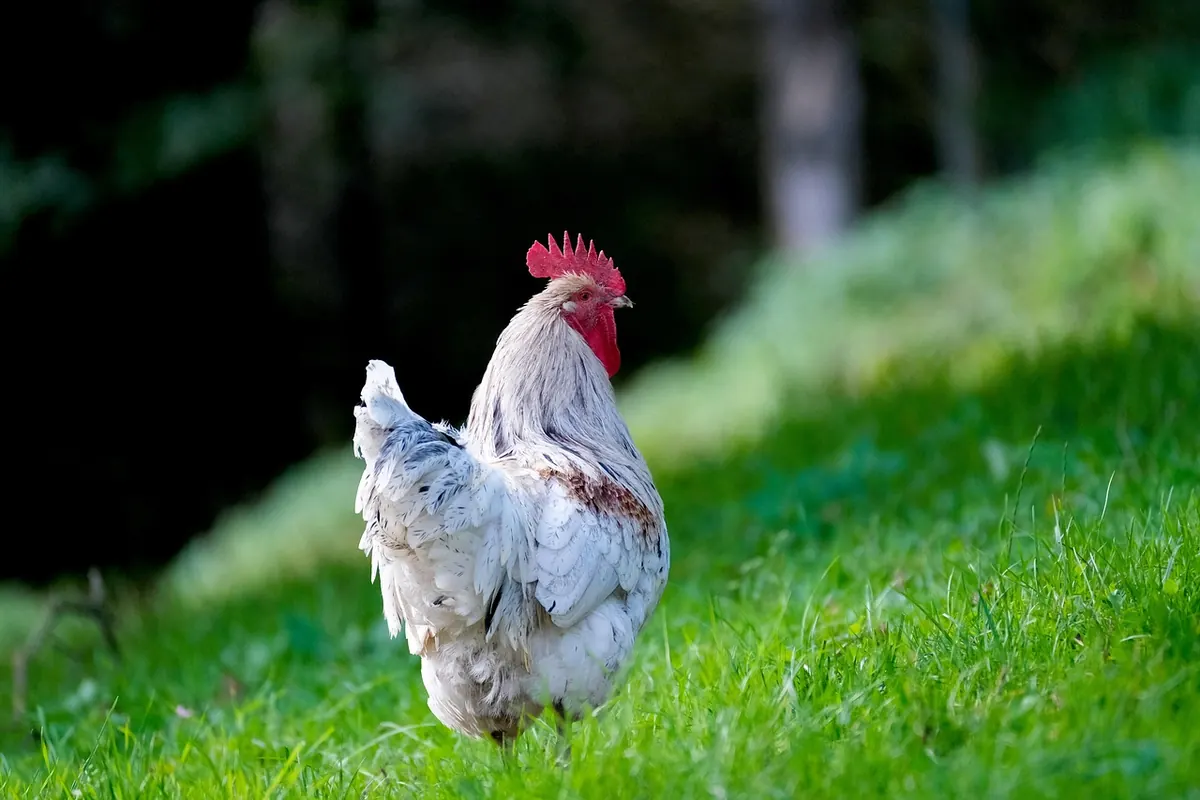
A small flock turns a quiet patch of yard into something that clucks, scratches, and pays rent in eggs. It is also a real commitment, one that starts months before the first hen steps out of the coop. The good news: backyard chickens are forgiving. Get the basics right on shelter, food, and daily attention, and the rest you will learn by watching your birds.
Here is what to sort out first, roughly in the order it matters.
Start with your local ordinances, not the feed store. Many towns allow a handful of hens but no roosters; others require a setback distance from property lines or a coop permit. Homeowner association covenants can be stricter still. A five-minute call to your city or county office saves you from building something you later have to tear down.
Talk to the neighbors early too, especially anyone whose bedroom window faces the future coop. A dozen fresh eggs in July buys more goodwill than any apology in August.
Three or four hens is a comfortable starting point. That is enough eggs for most households, and if you lose one to a hawk or an illness, the flock still functions. Chickens are social animals, so never keep just one.
Breeds matter less than people think, but they do differ. Where winters bite, look for cold-hardy dual-purpose birds with small combs — Orpingtons, Australorps, and Wyandottes handle cold well. In hot climates, choose lighter breeds and plan for shade and airflow. Sex-link hybrids are hard to beat for steady egg production, while bantams are charming, lay small eggs, and fly better than you would like.
Pullets that are nearly ready to lay cost more than day-old chicks but skip weeks of brooder work: heat source, draft-free box, starter feed, and a gradual introduction to the outdoors. Neither route is wrong. Pick what your schedule allows.
The most common beginner mistake is sealing a coop tight against the cold. Chickens handle cold far better than they handle stale, damp air. Build for airflow above the birds' heads — vents near the roofline, open on at least two sides, covered with hardware cloth — and keep the roosting area itself free of drafts.
Put the coop where you walk past it daily, with morning sun and afternoon shade. Convenience is what keeps you honest about chores.
Buy a complete feed matched to the birds' age and let it do the work. Chicks get starter, growing birds get grower, and laying hens get layer feed or an all-flock ration with a separate dish of oyster shell for strong shells. Keep grit available for digestion and the feeder dry and off the ground so feed does not turn to mush.
Kitchen scraps are fine in moderation — vegetable peelings, garden excess, the last of the rice — but they should never replace a balanced ration, and nothing spoiled or moldy should go to the birds.
Water matters more than most new keepers expect. Hens drink a surprising amount, and a dirty waterer is a fast route to sick birds. Scrub and refill daily, keep it shaded in summer, and check it twice a day in freezing weather. A heated base or a rubber tub you can flip over makes winter far less tedious.
Chickens reward consistency. Build these habits and most problems announce themselves before they turn serious.
Most backyard illness traces back to crowding, damp bedding, or new birds carrying something in. Quarantine any new chicken away from the flock for a few weeks, keep a pair of coop shoes you do not wear into the house, and wash your hands after chores.
When a bird looks off, isolate it somewhere warm and quiet with water and observe. Keep a basic kit on hand: gloves, electrolytes, a thermometer, wound spray, and a crate. Find a veterinarian who treats poultry before you need one — many clinics do not, and knowing who to call removes the worst part of a bad morning. For anything you cannot identify, or that spreads to more than one bird, get professional advice rather than guessing.
Predators work from every direction. Hawks hunt from above, so cover the run. Raccoons, foxes, and neighborhood dogs come at night and dig, and a weasel can slip through a gap the width of a thumb. Since most losses happen after dark, locking up is a habit, not a preference.
Your first spring will not go exactly to plan. Maybe the pullets start laying later than you expected. Maybe the run floods. Write down what you notice — what you fed, when they molted, which hen went broody — and next year's decisions get easier.
Begin with four hens, a dry coop, clean water, and a routine you can still keep on a busy Tuesday. That is enough. The eggs arrive on their own schedule, and the mornings out at the coop, mug in hand, turn out to be half the reason people keep chickens at all.
Photo: NickyPe / Pixabay
A practical guide to starting a rural tool-lending library: how to survey interest, choose a structure, build a...
Woven wire, electric, barbed, and portable fencing each suit different animals and budgets. Here's how to choose for...
Copyright © 2026 Humble Vale. All Right Reserved.