How to Start a Neighborhood Tool-Sharing Group in a Rural Town
October 10, 2026 - Community


October 03, 2026 - Countryside
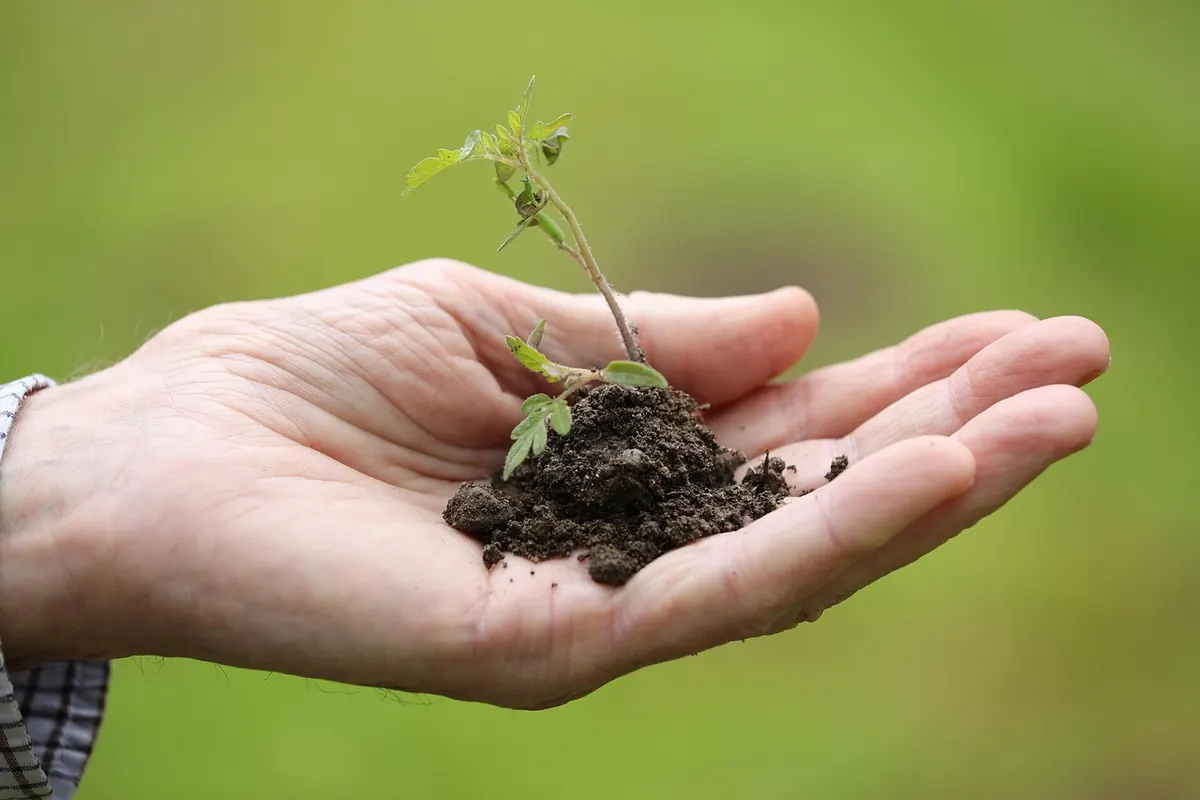
Two neighbors, same valley, same rain, same seed packets. One grows broccoli the size of a dinner plate; the other gets pale, spindly plants that never fill out. The difference often comes down to something you can't see and rarely think about: the acidity of the soil. Soil pH decides which nutrients your plants can actually reach, which soil microbes thrive, and how comfortably roots can drink. Get it roughly right and a dozen smaller problems shrink on their own. Get it badly wrong and no amount of fertilizer will rescue the garden.
The pH scale runs from 0 to 14, with 7 sitting neutral. Anything below 7 is acidic; anything above is alkaline, sometimes called "sweet" soil by older farmers. That number describes the concentration of hydrogen ions in the water film around your soil particles.
Here's the part that trips people up: the scale is logarithmic. A soil at pH 5.5 isn't slightly more acidic than one at 6.5 — it's ten times more acidic. That's why small-looking changes matter, and why shifting pH is a slow business rather than a weekend project.
Your soil also has a buffering capacity. Heavy clay loaded with organic matter holds its pH stubbornly, shrugging off your amendments for months. Sandy ground swings fast and just as easily swings back. Knowing which one you're standing on will tell you how patient to be.
Most vegetable crops take up nitrogen, phosphorus, and potassium most efficiently between pH 6.0 and 7.0. Outside that window, nutrients may be present in the soil but chemically locked away from roots.
In strongly acid soil, phosphorus binds tightly to iron and aluminum, and aluminum itself becomes soluble enough to damage root tips. In alkaline soil, iron, manganese, and zinc turn increasingly unavailable, which is why beans and blueberries planted in limy ground yellow between the veins while their leaves stay green.
The biology cares too. The rhizobia bacteria that form nitrogen-fixing nodules on peas and clover work best near neutral. Mycorrhizal fungi, which extend a plant's root system for free, tend to favor slightly acid conditions. Earthworm populations peak somewhere around neutral and thin out at both extremes. You're not just feeding plants — you're setting the terms for a whole underground economy.
Before you amend anything, know your target. A single garden bed rarely suits everything, so group plants with similar tastes.
You can't smell or taste pH, and the old folk tests — looking at which weeds grow where — are rough at best. Sample properly instead.
Agricultural lime is the standard remedy, and it's best applied in fall so winter freezing and thawing work it down into the top 6 inches. Calcitic lime supplies calcium; dolomitic lime adds magnesium too, useful on sandy soils that run low. The amount depends on your soil texture and current pH, so follow the test recommendation rather than a rule of thumb — clay needs far more than sand to move the same amount.
Wood ash also raises pH and adds potassium, but its strength varies with what you burned. Spread it thin, keep it away from blueberries and other acid lovers, and never mix it with nitrogen fertilizer, which releases ammonia gas in the process.
Elemental sulfur is the reliable option. Soil bacteria convert it to sulfuric acid over weeks or months, so it needs warm, moist, biologically active ground to work. Aluminum sulfate acts faster but adds aluminum, which harms roots in excess — use it sparingly, if at all.
Ammonium-based fertilizers nudge pH down gradually as a side effect. Peat moss and finished compost help, though peat's acidity fades as it decomposes. And the old advice about pine needles and oak leaves? They're acidic in themselves, but once they break down their effect on soil pH is minor. Treat them as excellent mulch, not as a cure.
One honest warning: if your subsoil is full of free lime, it will buffer pH back up year after year. For acid-loving crops in that situation, raised beds filled with a purpose-mixed soil are usually a better use of your energy than a permanent fight.
Test in fall, write the number in a notebook with the date, and adjust by no more than about half a point per season. Big corrections shock soil life and waste money. Add compost every year regardless of pH — organic matter buffers wild swings, feeds the microbes that make nutrients available, and improves both sandy and clay ground. Mulch to keep moisture steady, since dry soil reads differently from wet.
Aim for the comfortable range your crops prefer rather than an exact figure, and accept that a few beds will always run slightly off. If you're managing a large area, or your soil tests come back with unusual results, a local extension service or certified soil lab can read the details with you. The garden rewards steady, well-informed tweaks far more than dramatic ones.
Photo: GoranH / Pixabay

A practical guide to starting a rural tool-lending library: how to survey interest, choose a structure, build a...

Woven wire, electric, barbed, and portable fencing each suit different animals and budgets. Here's how to choose for...
Copyright © 2026 Humble Vale. All Right Reserved.