How to Start a Neighborhood Tool-Sharing Group in a Rural Town
October 10, 2026 - Community


October 03, 2026 - Countryside
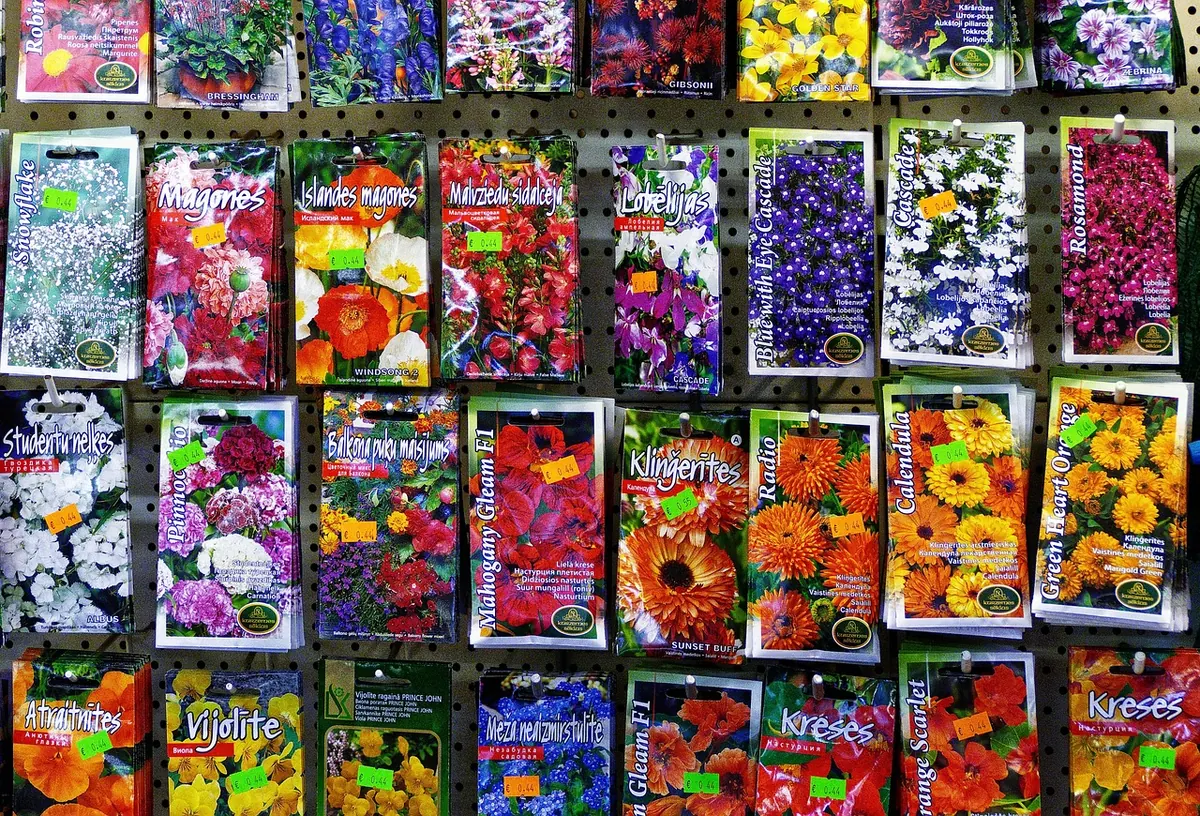
A seed swap is the least glamorous and most useful community event you can put on. No stage, no speaker, no budget to speak of. A few folding tables, a stack of coin envelopes, a pot of coffee, and forty people who all want to know what grew well for everybody else last summer. You leave with bean seeds from a garden three miles away, a tomato someone's grandmother carried up from Kentucky, and the names of four neighbors you previously knew only by their mailbox.
The first swap you organize does not need to be big. Twenty people in a fire hall is a real seed swap. What matters is that people who walked in nervous walk out with something to plant, and that it happens again next year. Here is how to pull one off.
You cannot run a swap alone, and you should not try. Three people is enough. One handles the venue and the coffee. One handles promotion. One stands near the door all day teaching people how to fill out a seed envelope. That last job is the most important one in the room, and it is the one most organizers forget to assign.
Timing matters more than you would think. Late winter works best almost everywhere — past the holidays, before everyone is buried in seed-starting trays. In cold climates that means February or early March. Farther south, January. Check the local calendar before you commit: do not schedule against the fire department pancake breakfast or the first weekend of maple season, because you will lose that fight without a word being spoken.
Two hours is a good length. Three if you add a potluck. Any longer and the soup goes cold and the tables get picked over.
There are three common ways to run the actual swapping, and your choice shapes everything else.
Seeds are sorted onto labeled tables by category — tomatoes, beans and peas, flowers, herbs, squash, peppers. People browse and take what they want. It is lively and a little chaotic, and it works well for a first-time event as long as you have a strong labeling station at the door.
Each person gets a ticket for every packet they bring, capped at a reasonable number. Then you swap in timed rounds. This is fair and orderly, but it takes a firm hand and a bell.
Everyone sits in a circle and introduces what they brought, one variety at a time, before browsing begins. Slower, warmer, better for a small group of fifteen or fewer. The stories are the point here.
Whatever you pick, print the rules and tape them to the wall. A working set looks like this:
One more thing worth checking: some crops and invasive species are regulated locally, and rules vary by state or province. A quick call to your extension office before you advertise will save you an awkward conversation later.
Most swaps fail on details, not on turnout. Bring more envelopes than you think you need — a hundred is not too many. Add a roll of masking tape, permanent markers, small bowls or trays for bulk seed, plastic spoons, and a few tables' worth of category signs. A kids' corner with sunflower seeds and paper cups keeps small hands busy while parents browse.
Feed people. Coffee, water, and something to eat turn a transaction into a gathering. A pot of soup on a borrowed slow cooker has started more friendships than any icebreaker.
Set up a leftover box before the event starts, not after. Anything left on the tables goes into it at the end, and it becomes the seed for a small seed library at the library, the school garden, or the food pantry. Keep a donation jar for hall rental if you need one, and thank the venue publicly whether you needed it or not.
Online promotion alone will not fill a room in most rural places. Use both.
Put a one-page flyer on the feed store bulletin board, the co-op door, the library counter, the town hall, and the church entry. Ask the garden club, the 4-H group, and the farmers market manager to pass it along. Call the local radio station's community calendar and email the newspaper's briefs column. Then post in the one or two local Facebook groups that people genuinely read — once three weeks out, once three days before. More than that and you become background noise.
Make one thing very clear on the flyer: you do not need to bring seeds to attend. Half the people who show up will have nothing but curiosity and a windowsill, and they are exactly who you want in the room.
Take what you will actually plant. Leave what you will not. Somebody down the road has room for it.
Expect a lull around the forty-minute mark. That is when you refill the coffee, sit down at a table, and let the conversation drift toward weather, deer pressure, and whose well went dry in August. That part is not a distraction from the seed swap. It is the seed swap.
Sort the leftovers the same week, before the envelopes end up in a closet. Label them well, log them in a notebook, and hand them to the library, a school garden, or whoever agrees to run a small free seed shelf. Before spring planting, do a quick germination test on anything you plan to depend on — ten seeds in a damp paper towel on the counter tells you most of what you need to know.
Then write down what you learned while it is fresh. Who brought what. Which table emptied first. How many people came, and how many were new. Send a short follow-up to everyone who left an email address or phone number, thank them, and put next year's date on the calendar before everyone forgets.
Rotate the job. Ask one person from this year's crowd to take the lead next time and hand them your notes. A seed swap that depends on one enthusiastic organizer is a one-time event. A seed swap that gets passed around like a jar of starter is a local institution, and those are the ones that keep a small town fed, connected, and growing things worth sharing.
Photo: anaterate / Pixabay
A practical guide to starting a rural tool-lending library: how to survey interest, choose a structure, build a...
Woven wire, electric, barbed, and portable fencing each suit different animals and budgets. Here's how to choose for...
Copyright © 2026 Humble Vale. All Right Reserved.